
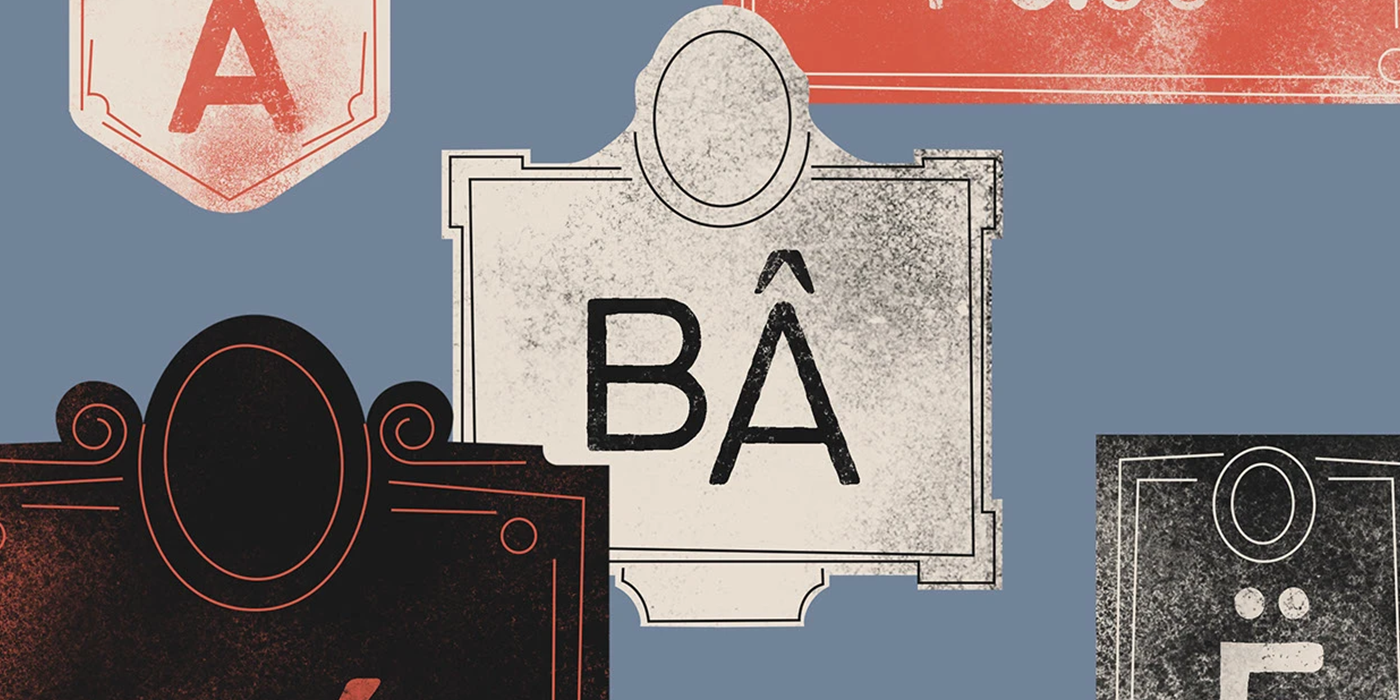

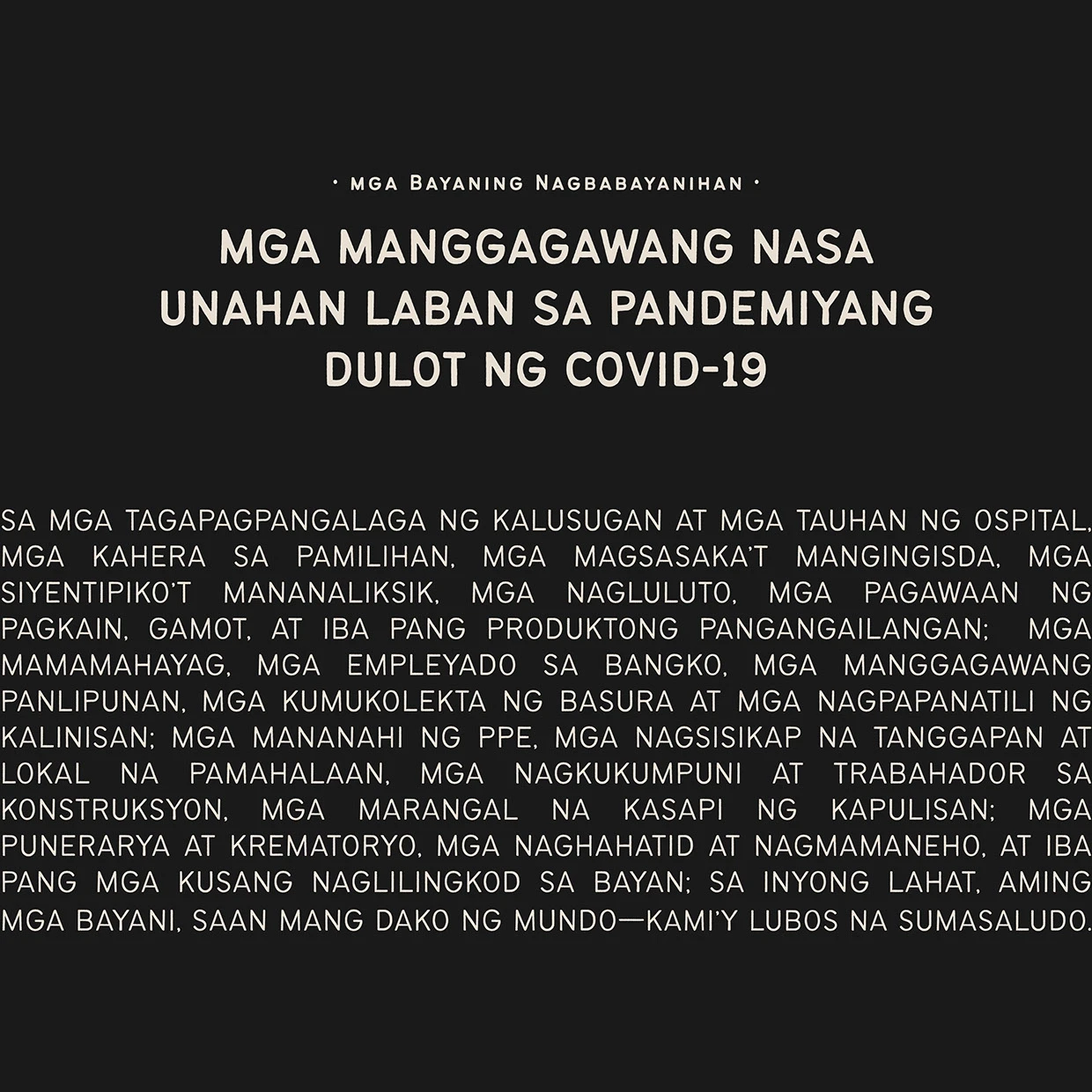
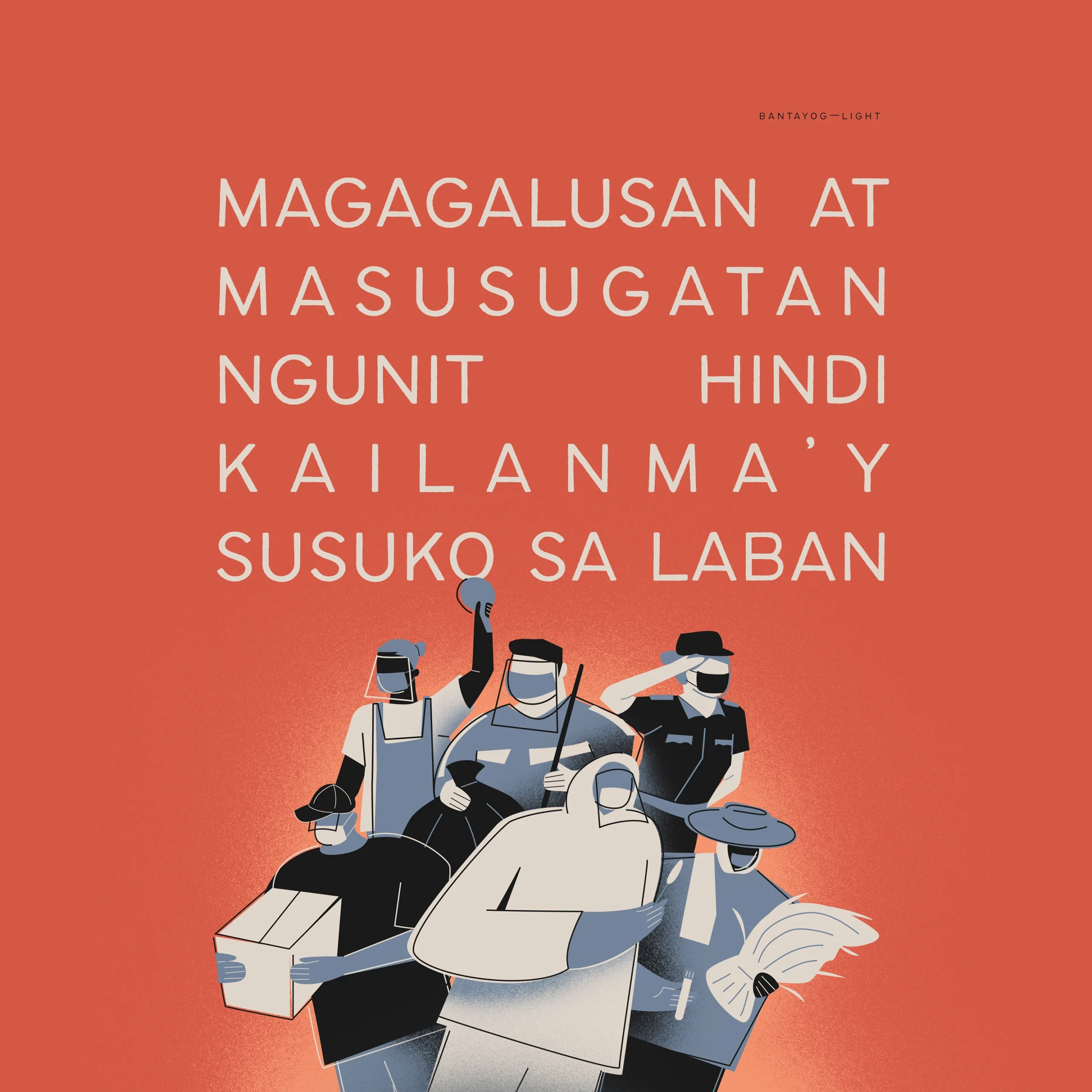
Typography is more than just selecting a font; it is an act of storytelling. In the local design scene, Filipino creators are consistently finding ways to embed cultural memory into digital formats. A stellar example of this is Bantayog, a rough, display typeface created by Filipino designer Jad Maza.
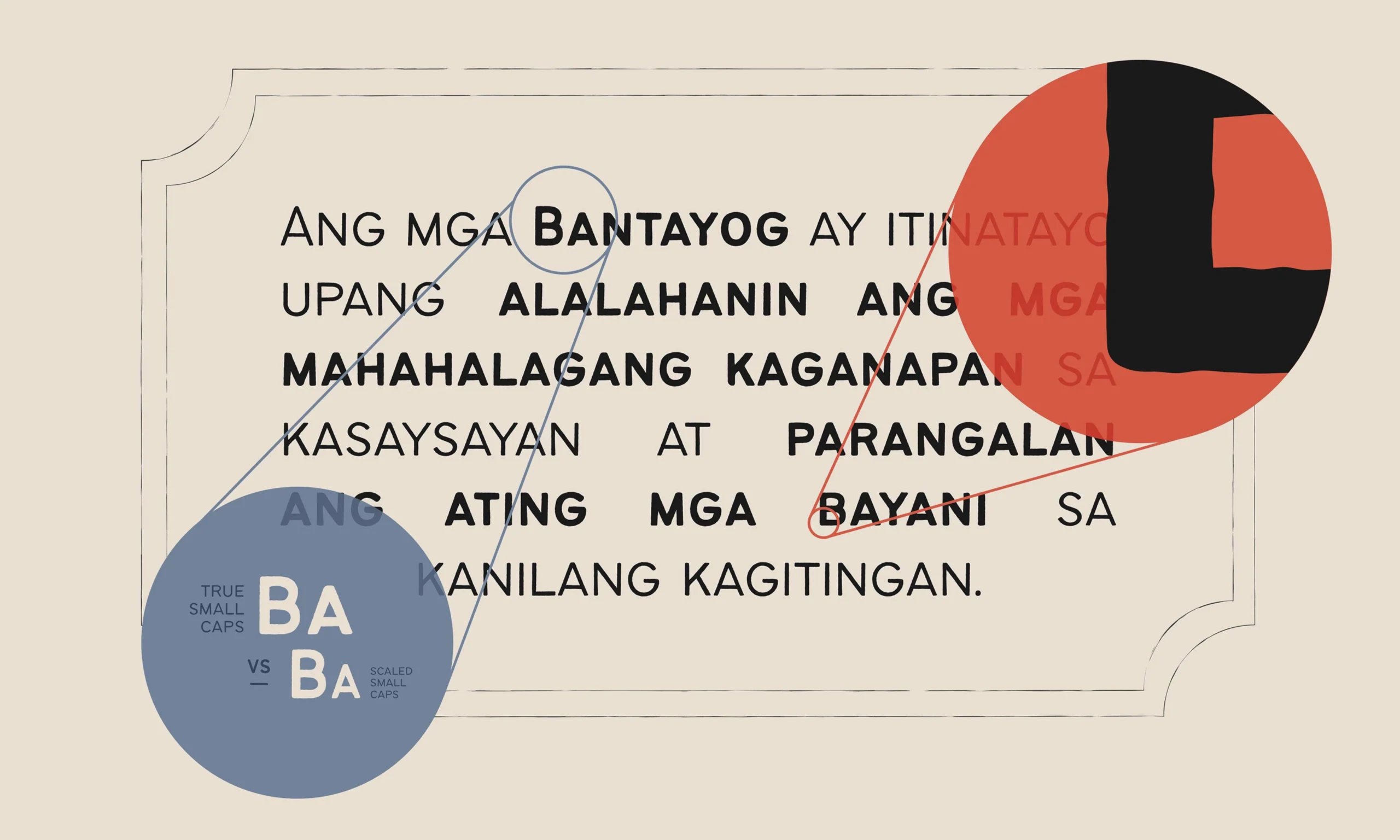
Available as a free resource, the project serves as a compelling intersection of type design, national history, and everyday street-level observation.
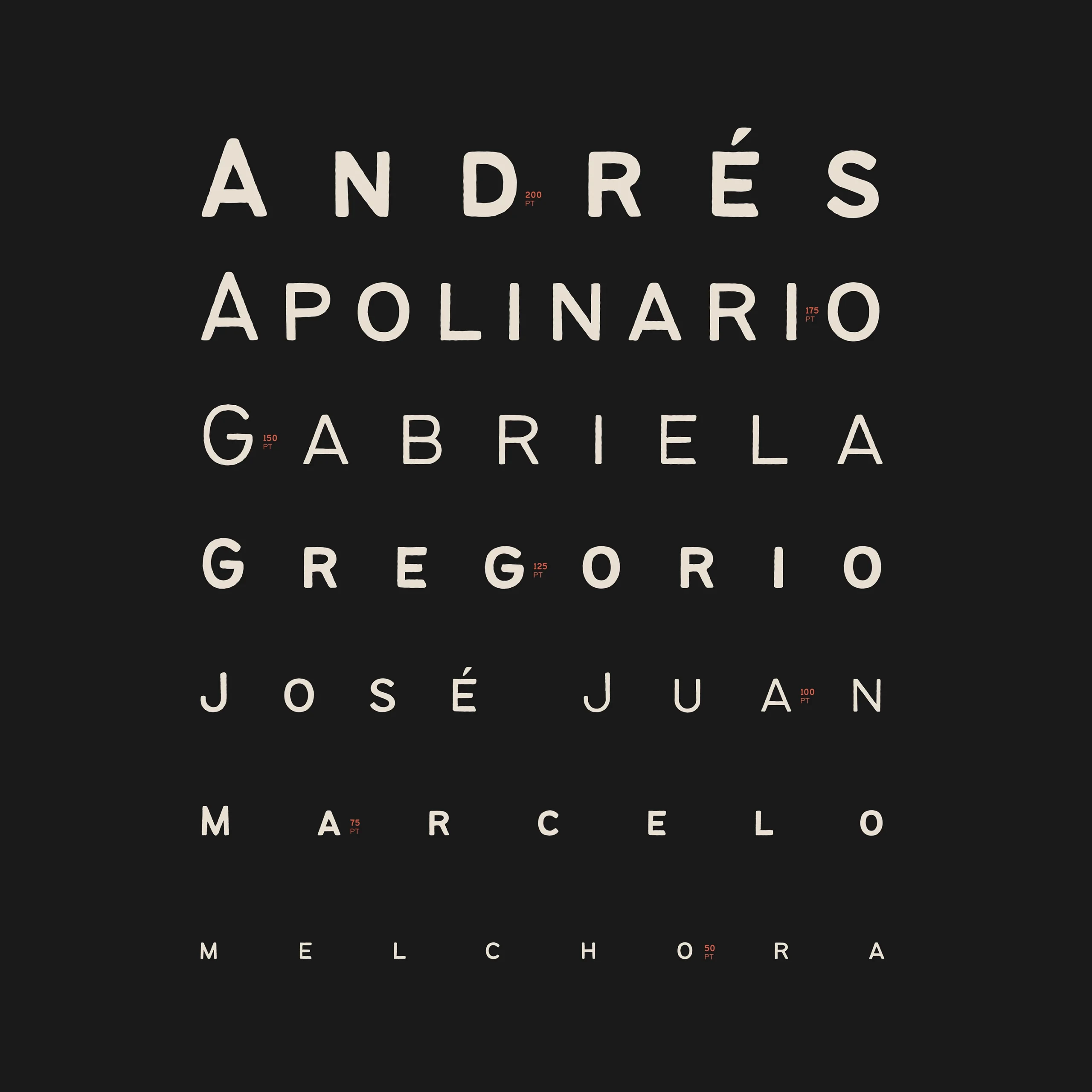
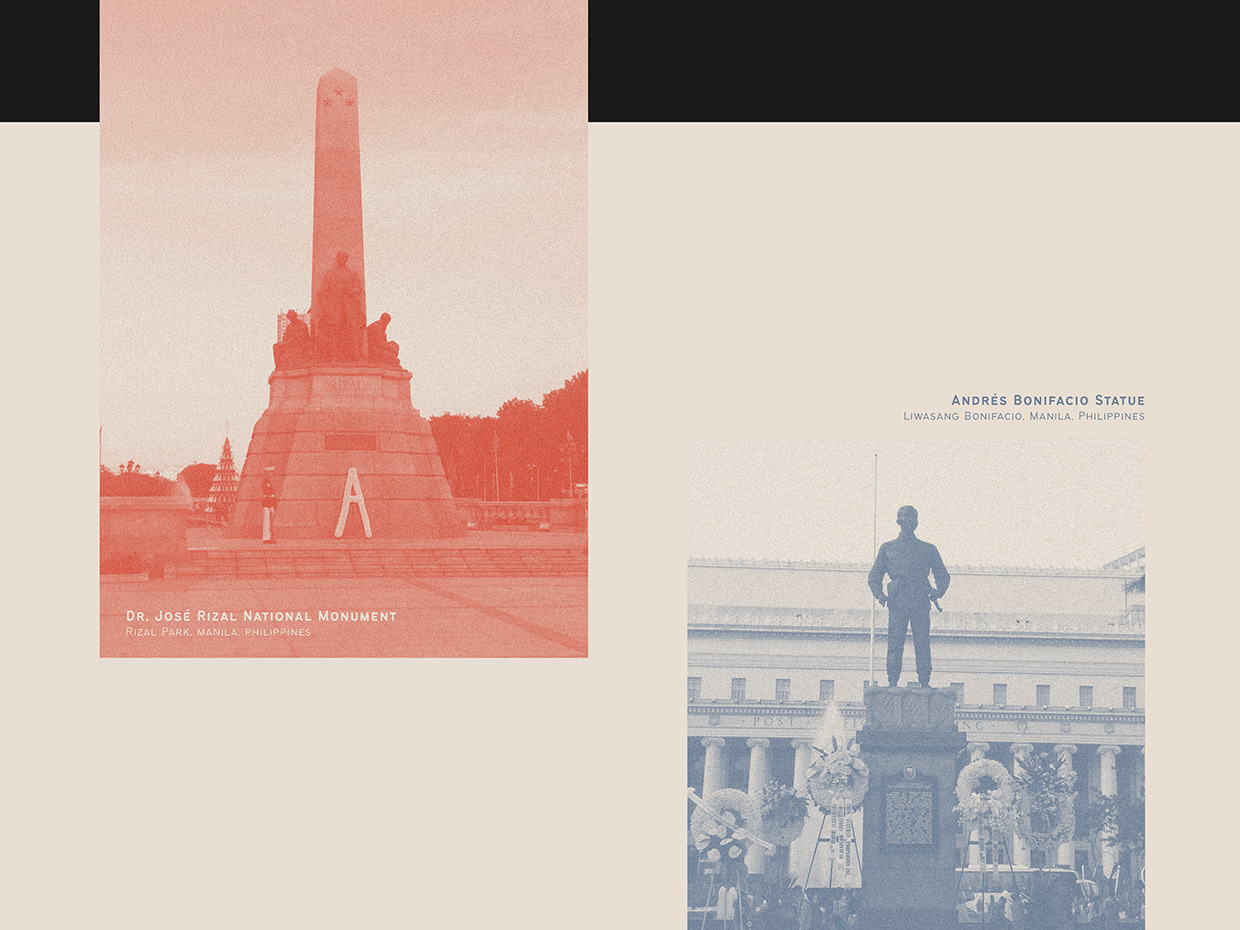
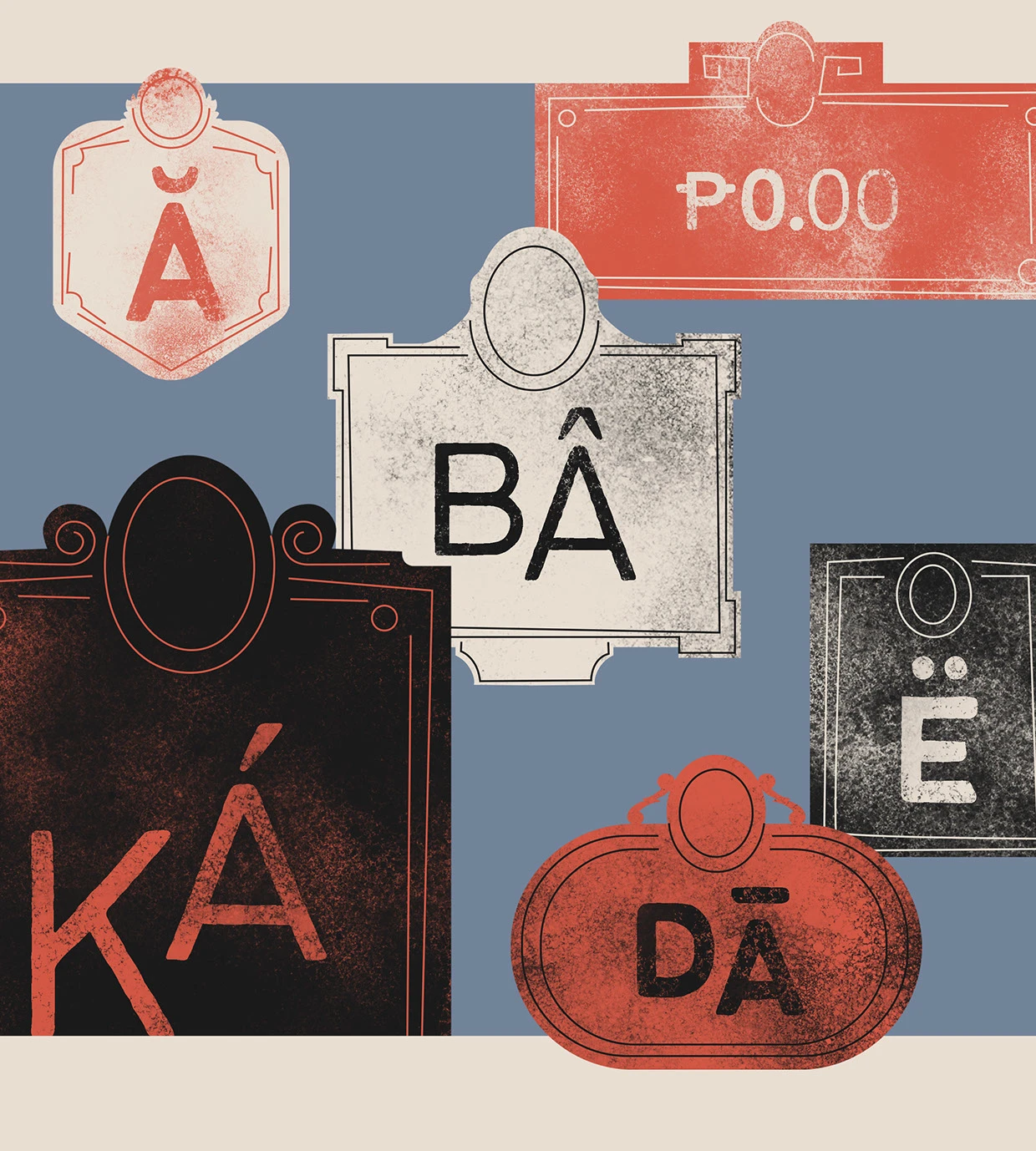
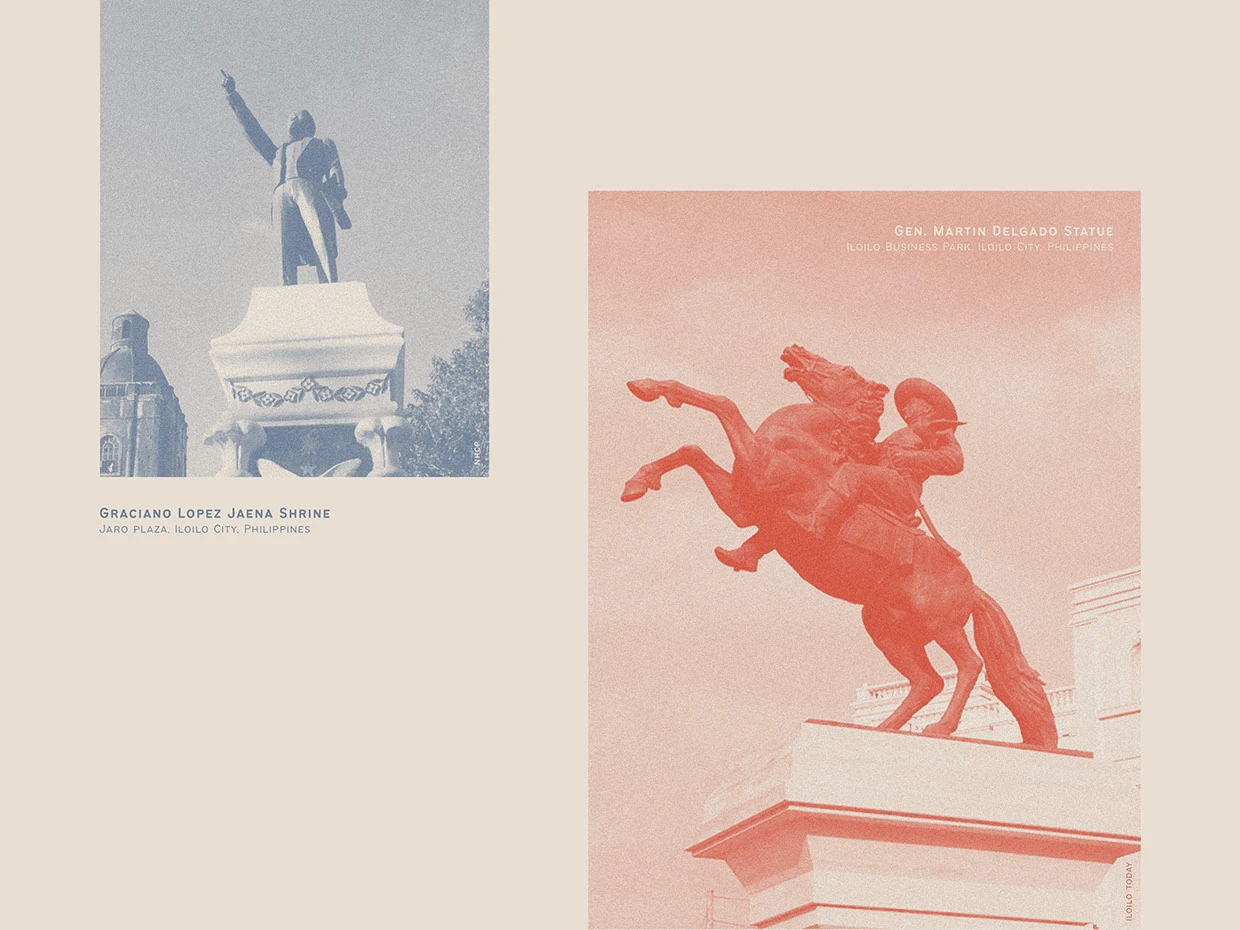
The word bantayog is the Filipino term for “monument”—structures erected to remind present and future generations of the bravery, sacrifices, and patriotism of those who came before. True to its name, Maza’s display typeface draws direct inspiration from the public markers that dot the Philippine landscape.
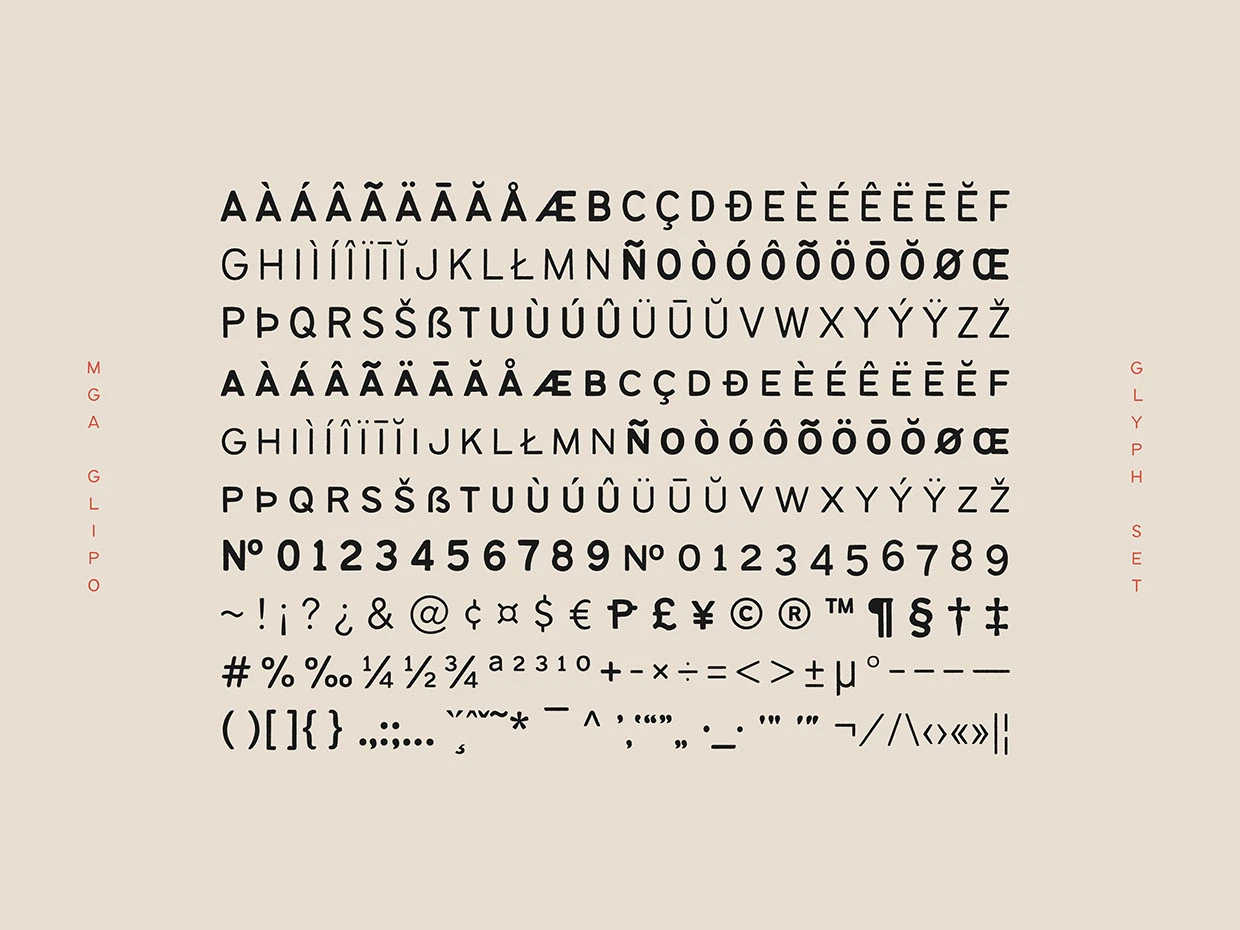
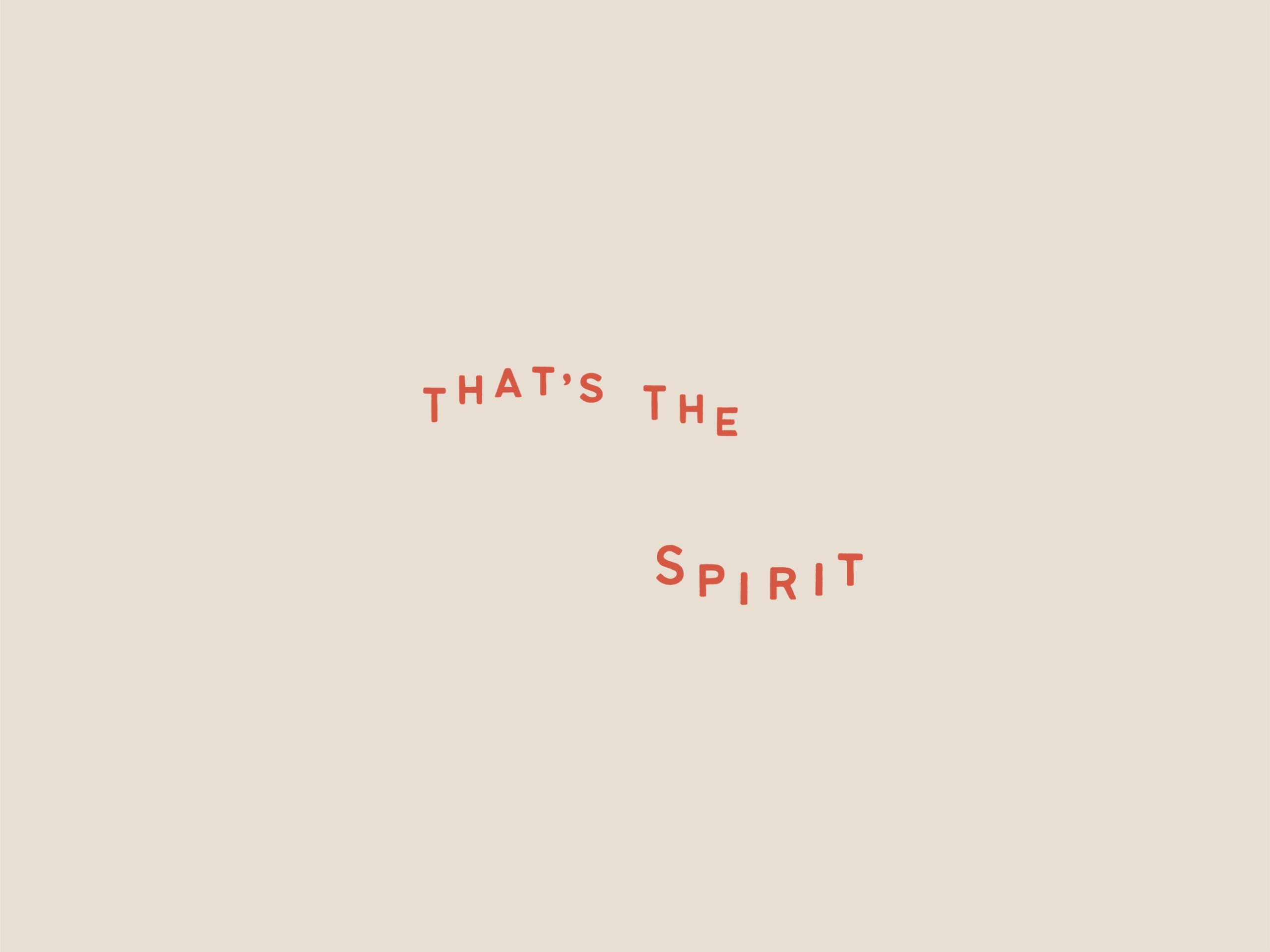
The font replicates the specific, slightly distorted characters found on historical markers across the country. It captures the unique look of letters that have been repainted over and over again by hand across worn-out, cast-iron texts. By translating these physical, weathered anomalies into digital paths, Maza preserves the gritty, tactile essence of public history.
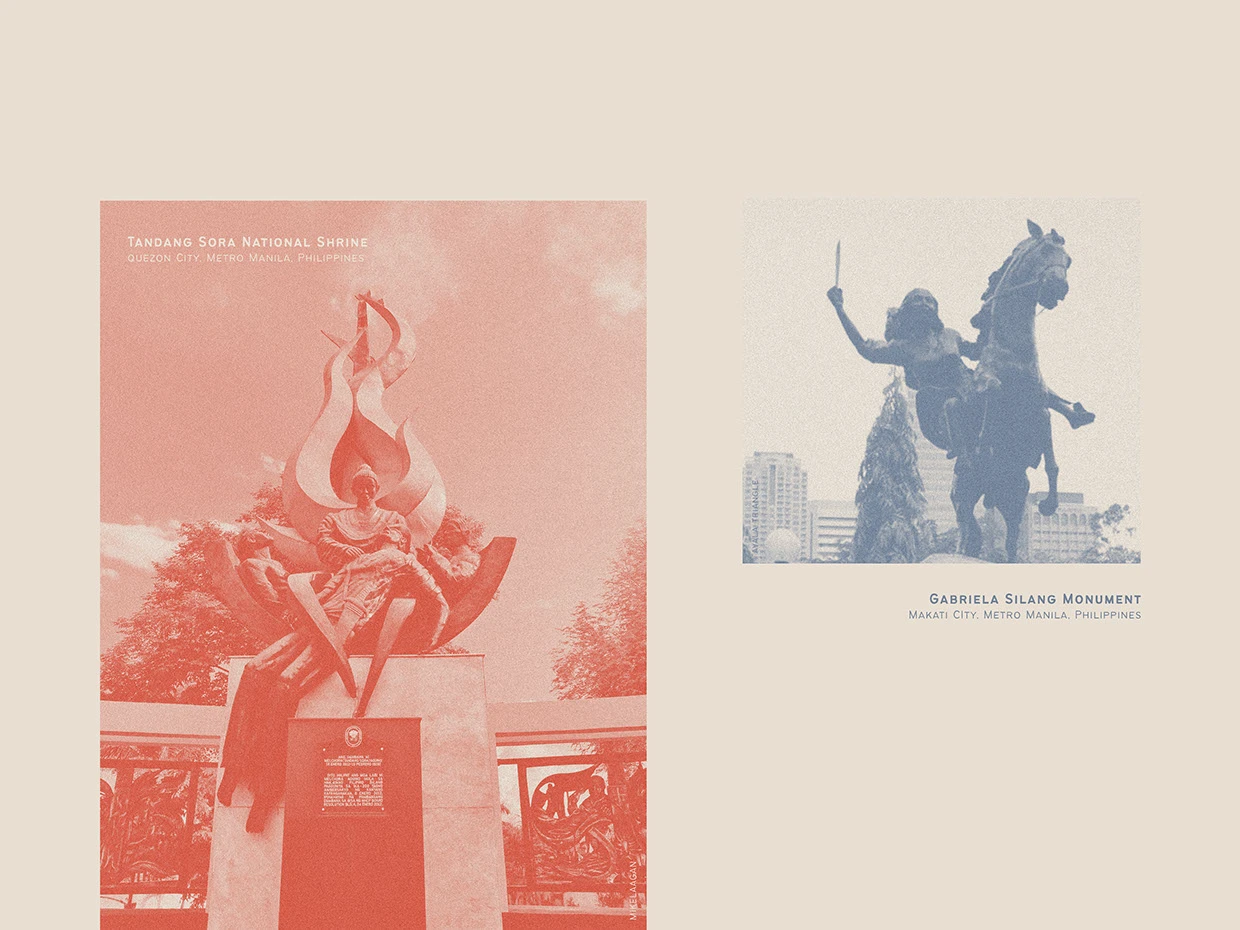
For local designers, projects like Bantayog show how typography can become a vehicle for cultural preservation. By looking away from international design trends and focusing on the everyday textures of our own cities, Maza demonstrates how local history can inspire modern digital assets.
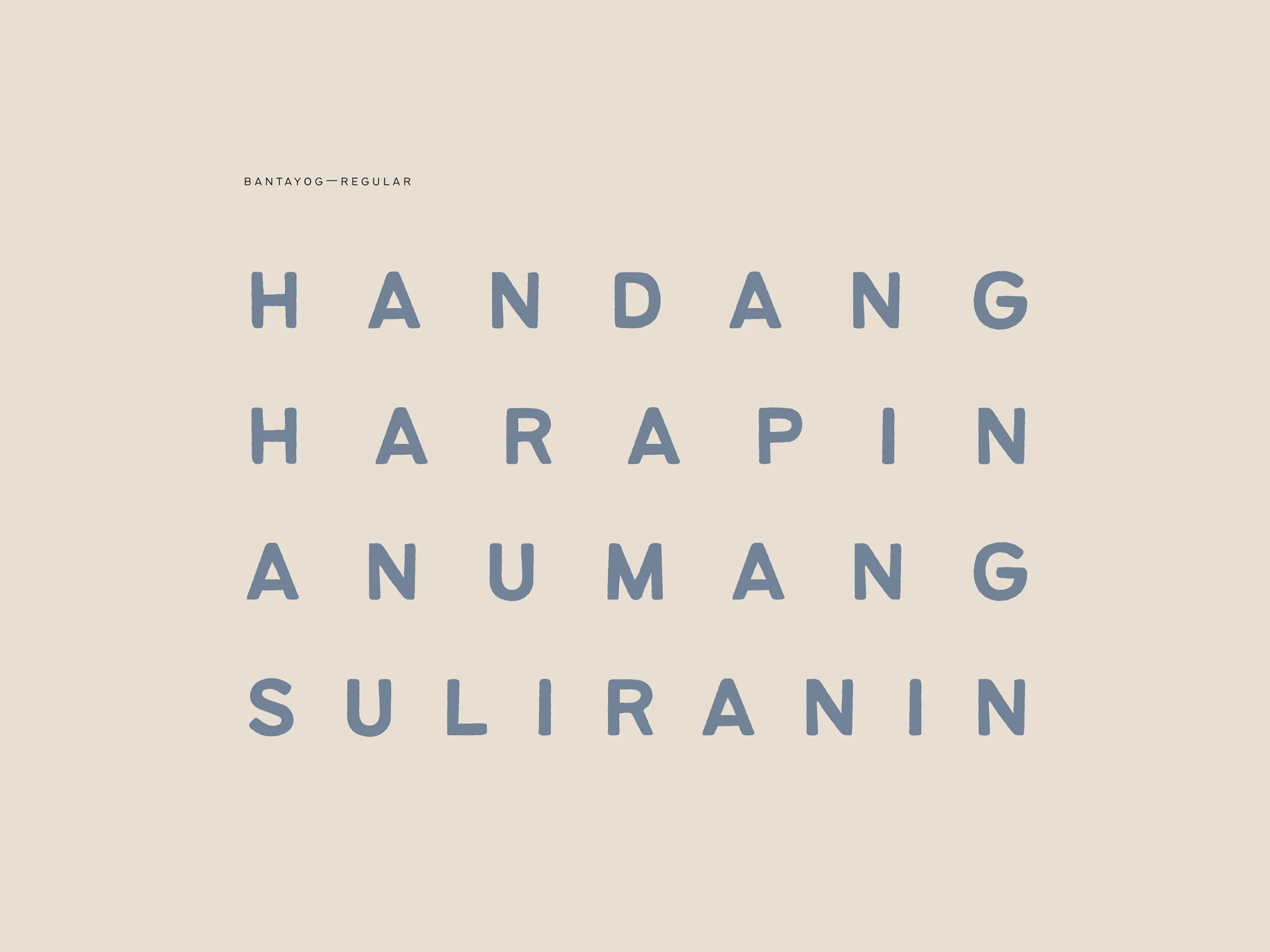
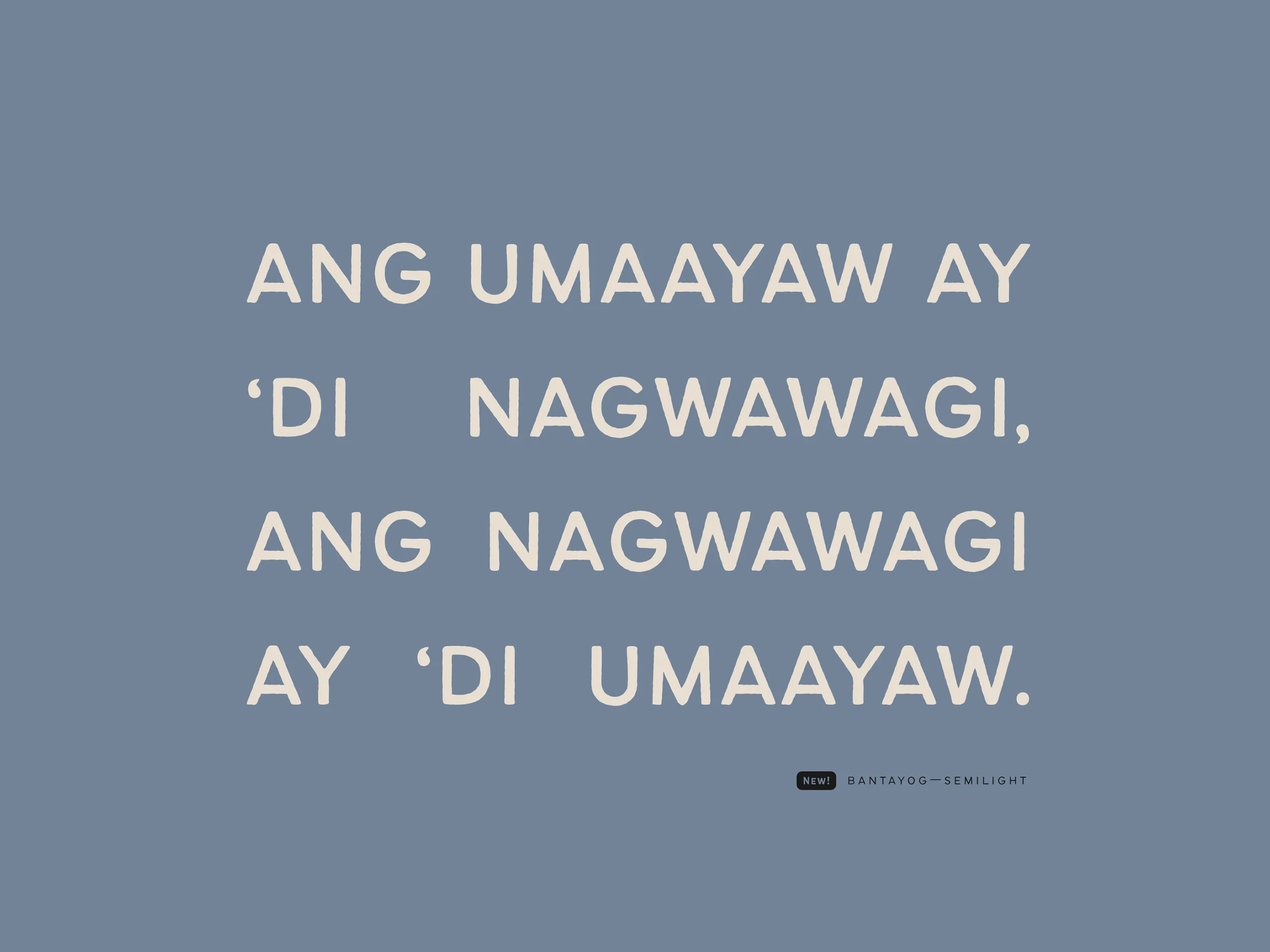
It is a beautiful reminder that our history is not just found in textbooks—it is cast in iron on our streets, waiting to be redesigned for a new generation.
by Jad Maza
PORTFOLIO | BEHANCE